Open 24/7, Monday to Sunday | Serving Pueblo since 2019(719) 627-8006
Kalli Dumpster RentalDumpster Rental Pueblo, CO
Dumpster Rental Pueblo, CO

Local debris service

Dumpster Rental Pueblo, CO

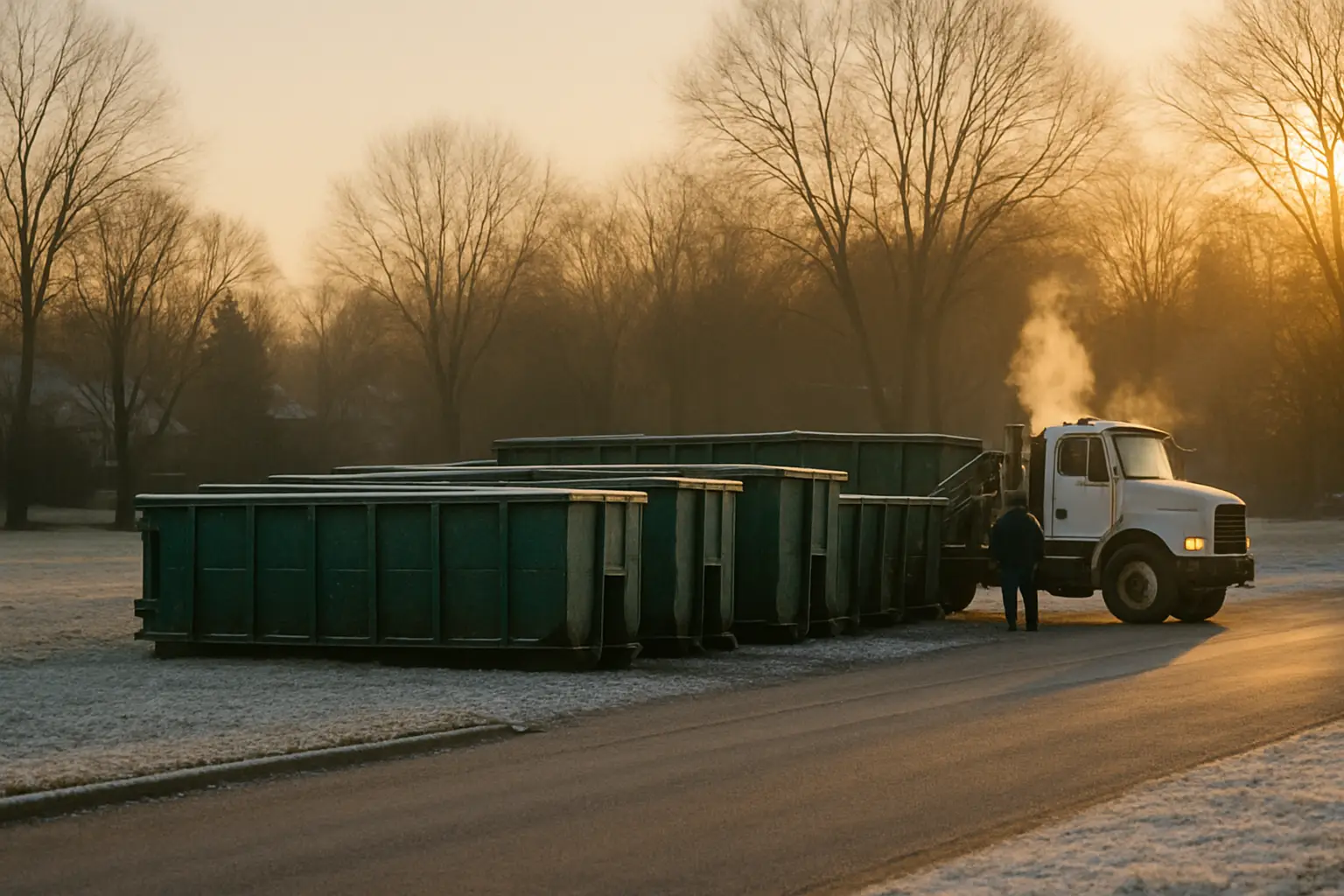
Kalli Dumpster Rental confirms access and pickup timing before delivery, with placement details documented for your project.

Dumpster Rental Pueblo, CO gives homeowners, contractors, and property managers a practical way to contain renovation debris, roofing material, yard waste, and cleanout loads. Kalli Dumpster Rental helps choose the right capacity, checks the placement area, and coordinates delivery around the work taking place at your Pueblo property.

  • Licensed, bonded and insured
  • Serving since 2019
  • 3365+ containers delivered
  • Open 24/7, Monday to Sunday
  • Serving Pueblo County

Pueblo based service

Practical dumpster planning starts at the property

Kalli Dumpster Rental has served the area since 2019, helping Pueblo property owners contain material without guessing at access, capacity, or pickup arrangements. The work starts with the actual job: a bathroom tear-out does not load like a roofing project, and concrete cannot be treated like light household debris. We discuss what is being removed, where the container can sit, and how the truck will approach the property. That conversation can point you toward a smaller container when it fits, which is preferable to paying for unused space.

Pueblo properties vary from compact older lots near established neighborhoods to wider suburban driveways and commercial sites along major corridors. Wind, dust, summer storms, winter freezes, and uneven pavement can affect placement and loading. Kalli Dumpster Rental checks those details before delivery rather than leaving the driver to solve them at the curb. The company is Licensed, bonded and insured, operates 24/7, Monday to Sunday, and has delivered 3365+ containers while keeping the focus on clear job planning.
Project containers

Pueblo dumpster options match the material and scale

A container works best when its capacity, footprint, loading method, and weight are considered together. These common job types cover the work most often planned around Pueblo homes and commercial properties.

  • House Cleanout Dumpsters

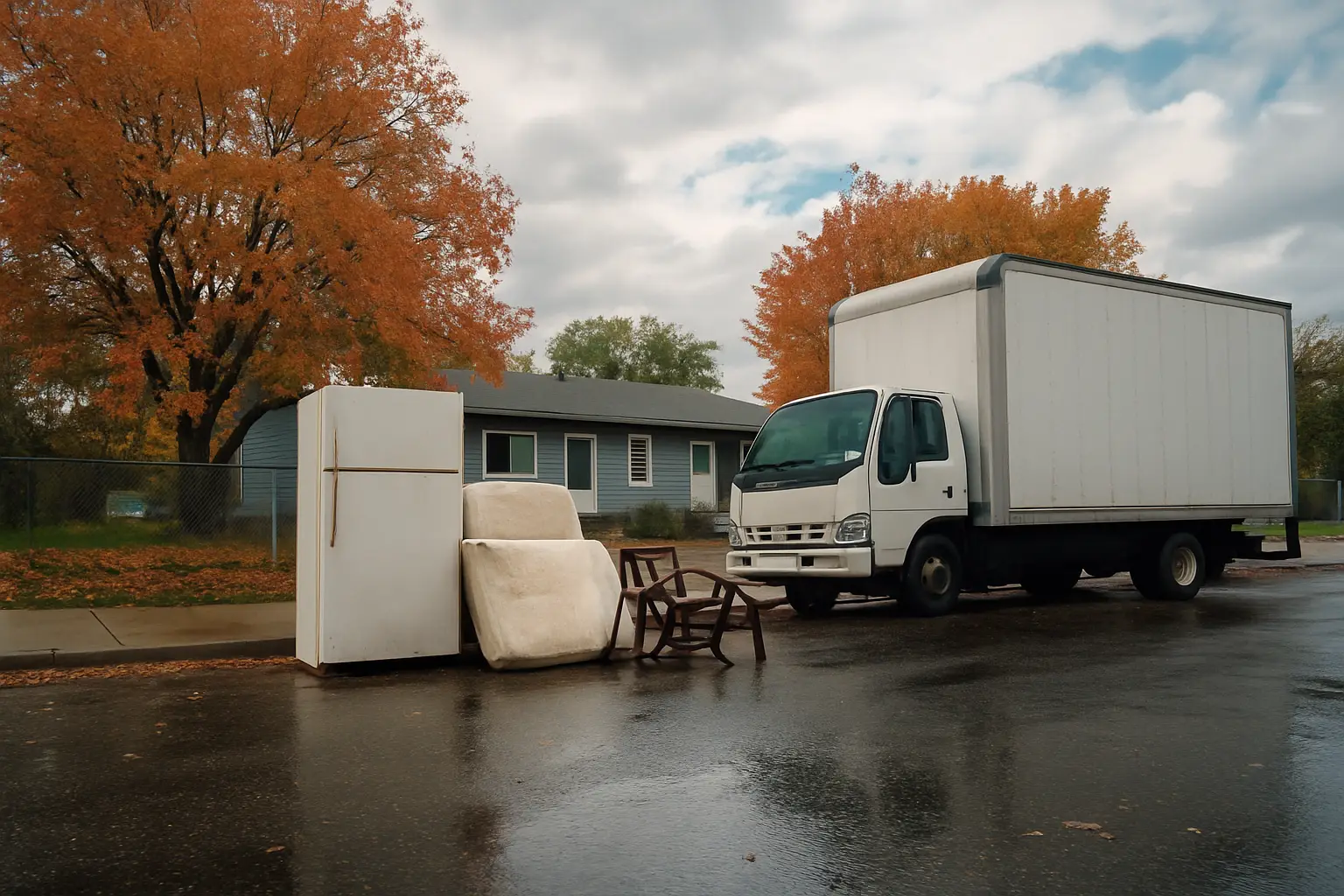
    House cleanouts create mixed loads: furniture, boxed belongings, carpet, fixtures, and ordinary household debris. A container keeps the work staged near the structure while you sort. Tell us about stairs, narrow drives, and the material that cannot be loaded so the size and placement plan match the property.

    Whole home clearing
  • Garage and Basement Cleanouts

    Garages and basements often hide dense, awkward material behind a narrow entry. Measure the route from the room to the loading point, then describe shelving, appliances, boxes, or damp material. A smaller container may suit a focused cleanout, while a larger one helps when several storage areas are being cleared.

    Storage area projects
  • Yard Waste Dumpsters

    Branches, brush, sod, soil, and trimmings take space differently and may become heavy quickly. Keep dirt and rock separate from light vegetation when possible. Pueblo wind can scatter loose material, so load below the rim and cover staged debris before delivery day if the work is spread across an open yard.

    Outdoor debris
  • Home Renovation Dumpsters

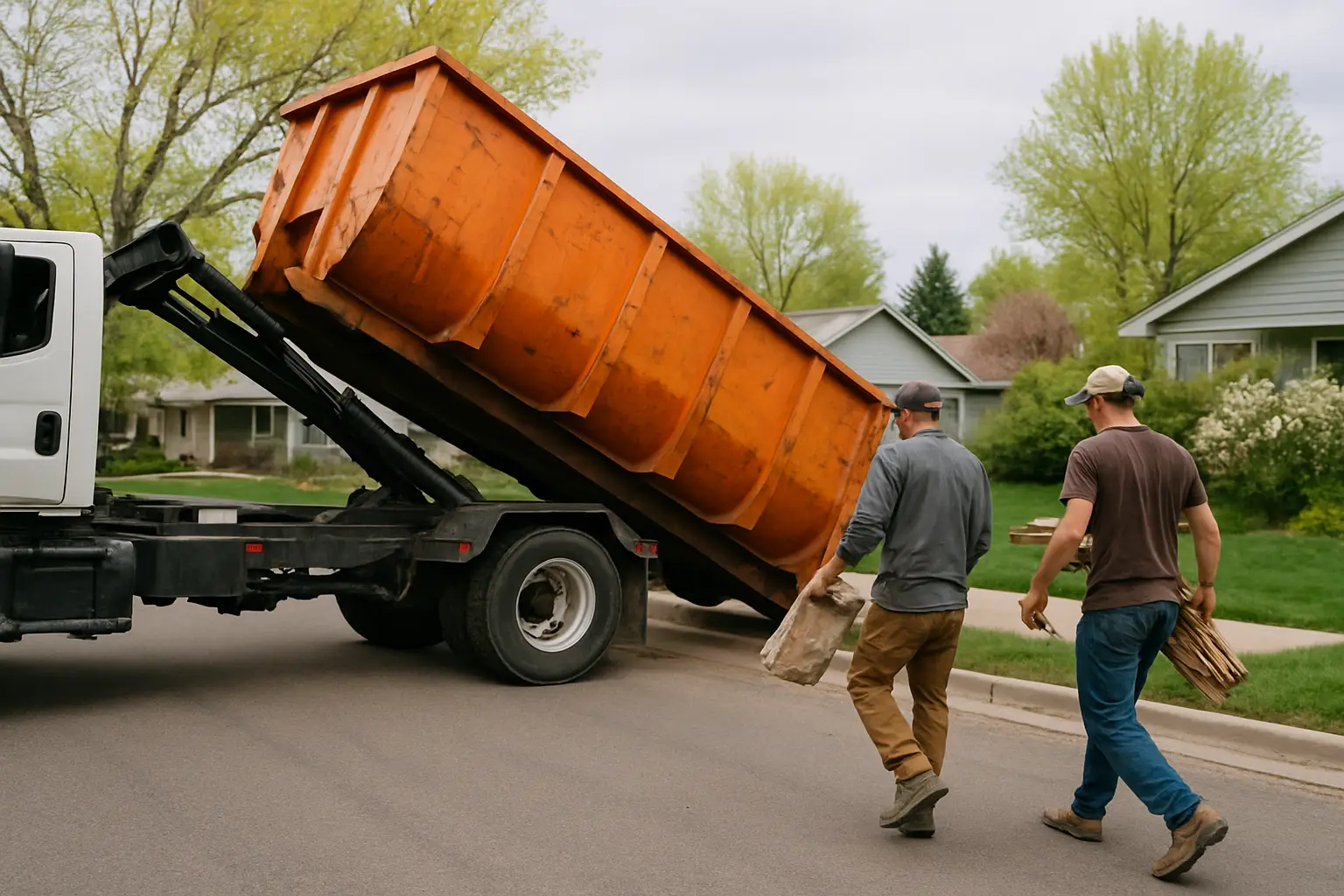
    Kitchen, bathroom, flooring, drywall, cabinets, and fixtures are usually best handled with a container selected around the demolition sequence. Keep reusable materials separate and avoid mixing heavy masonry with bulky light debris without discussing it first. The right choice leaves room for loading while protecting the driveway approach.

    Remodel cleanup
  • Roofing Debris Dumpsters

    Roofing loads are dense, sharp, and easy to underestimate because shingles settle as they accumulate. Place the container where tear-off can travel safely from the roofline without blocking equipment or neighbors. Tell us whether the job includes decking, insulation, or other heavy material before selecting capacity.

    Roof tear-off
  • Concrete and Heavy Material Dumpsters

    Concrete, brick, block, dirt, and tile can exceed a container’s practical weight before it looks full. These materials need a specific discussion about amount, loading method, and surface conditions. If the load is small, another disposal method may cost less than reserving a larger general debris container.

    Heavy material planning
  • Same-Day Dumpster Delivery

    Some Pueblo projects begin unexpectedly after a repair, inspection, or closing date changes. Same-day delivery depends on equipment, route, access, and current scheduling, so it must be confirmed rather than assumed. Have the placement address, material type, and clear approach ready when discussing an urgent container need.

    Urgent cleanup
  • Commercial Construction Dumpsters

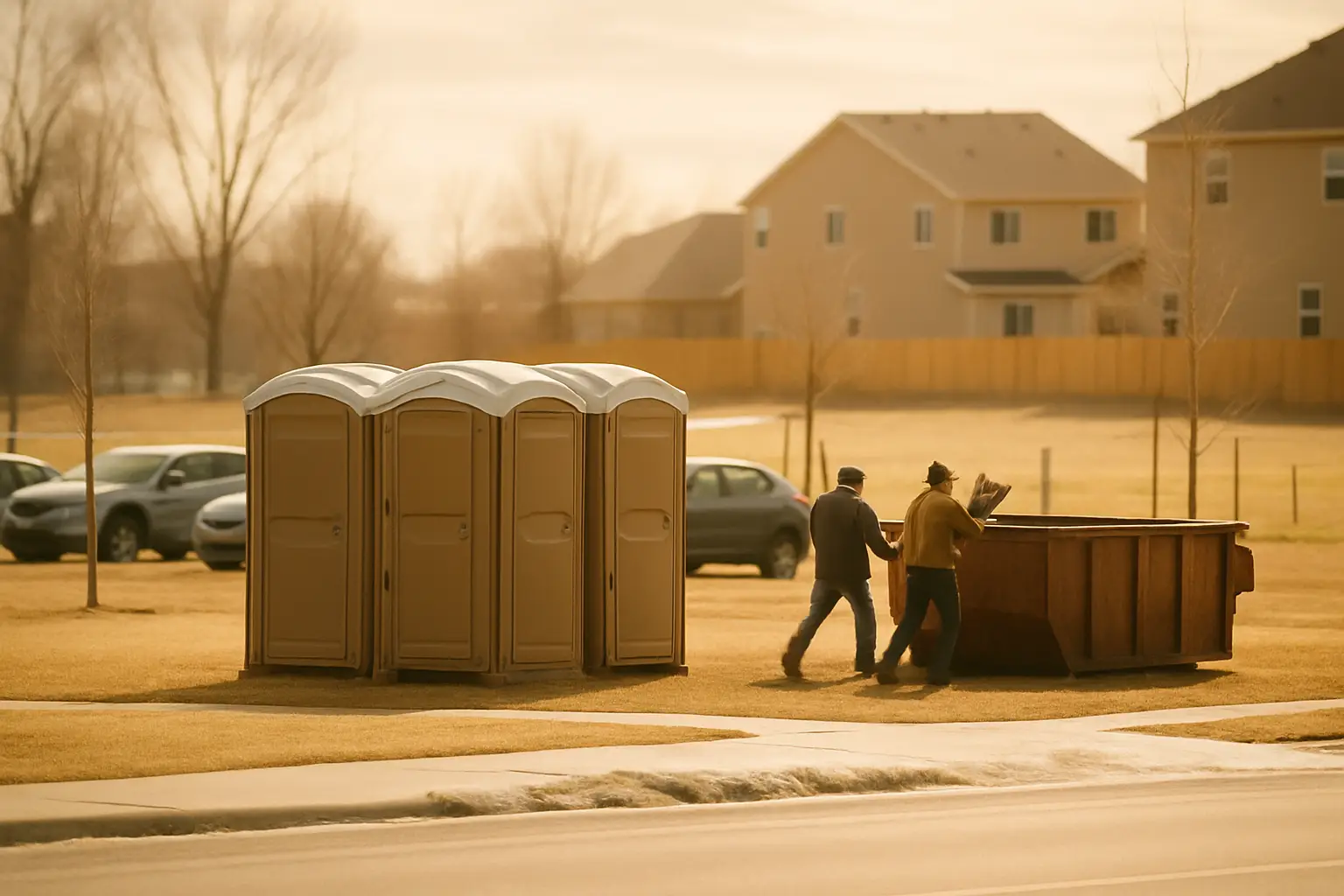
    Commercial work needs a placement plan that respects active entrances, delivery lanes, employees, and changing phases of construction. Describe the site traffic, surface, loading equipment, and expected material. A scheduled pickup can be coordinated around the work, while recurring needs may make a continuing service arrangement more practical.

    Active job sites
  • Recurring Business Dumpster Service

    Businesses with regular renovation, maintenance, retail turnover, or facility cleanup need predictable container changes without disrupting daily operations. We discuss where the container can sit, how staff will load it, and when access is available. The arrangement can be adjusted when a project creates heavier or bulkier material.

    Ongoing site service

Additional cleanup help

Some Pueblo jobs need more than a container

How planning works

A clear plan prevents delivery-day problems

  1. Describe the project

    Start with the material, rooms or outdoor areas involved, and the stage of the work. Mention concrete, soil, roofing, appliances, or other dense loads because weight can matter before volume. A plain description is more useful than trying to estimate capacity from a photograph alone.

  2. Review the placement

    Identify the driveway, parking area, alley, side yard, or private lot where the container may sit. Note slopes, gates, overhead branches, utility lines, soft ground, and nearby vehicles. If public pavement is the only option, explain that early because permission may be needed before placement.

  3. Confirm access and timing

    Kalli Dumpster Rental confirms placement access and pickup timing before every delivery. The plan accounts for truck approach, turning room, surface condition, and the period when the container must remain available. Do not assume a narrow lane or blocked driveway will work until those details are reviewed.

  4. Prepare the loading area

    Move cars, trailers, toys, tools, and loose objects away from the planned footprint. Protect surfaces where appropriate, keep the approach open, and make sure the crew can reach the material without crossing unsafe ground. Separate prohibited or uncertain items before loading rather than burying them under ordinary debris.

  5. Load and coordinate pickup

    Distribute material instead of piling everything at one end, keep debris below the rim, and avoid adding liquids or restricted items without approval. When the work is finished, provide the pickup information discussed during scheduling. Changes to access or timing should be reported before the truck is routed.

Why local planning matters

The service is built around the actual job

  1. Placement is checked before arrival

    A container is only useful if the truck can reach the intended spot and the property can support it. We review driveway width, turning space, overhead clearance, slope, pavement, gates, and nearby obstacles before delivery. That is especially useful in older Pueblo neighborhoods where lots, alleys, and approaches can be tight or irregular. If the proposed location is a poor fit, we can discuss a safer alternative before equipment is dispatched.

  2. Capacity follows material, not guesswork

    A container filled with cardboard and household debris behaves differently from one loaded with shingles, soil, brick, or concrete. We ask what the job will actually produce and explain when a smaller unit is sensible or when heavy material needs separate handling. This keeps the decision tied to volume, weight, and loading access instead of choosing the largest available option by habit. Sometimes the cheaper answer is simply a smaller container.

  3. Pickup planning stays visible

    Projects change as demolition exposes hidden layers, weather slows outdoor work, or a contractor finishes a phase early. Pickup timing should be discussed before the container arrives, then updated if the site changes. Kalli Dumpster Rental works 24/7, Monday to Sunday, and keeps the conversation focused on access, site conditions, and the planned handoff rather than making an arrival promise that the property cannot support.

Working standards

Details that keep a container usable

  • Every delivery starts with a discussion of material, access, placement, and pickup expectations.
  • Clear approaches help the truck reach the planned location without moving private obstacles.
  • Dense debris stays within the agreed plan because weight matters before the container looks full.
  • Driveways and paved areas receive attention when surface condition may affect placement.
  • Loading below the rim helps keep material contained during handling and transport.
  • Restricted materials should be identified before loading instead of hidden beneath ordinary debris.
  • Weather, wind, and changing ground conditions can require a placement review.
  • Property owners should keep the container area open from delivery through scheduled pickup.

Pueblo placement guide

Where a dumpster can safely sit in Pueblo

The easiest placement is usually a private, level driveway with a straight approach and enough room for the truck to enter, set the container down, and leave without crossing soft ground. Pueblo streets and lots are not uniform. Older areas can have narrow alleys, mature trees, overhead lines, tight curb space, and driveways interrupted by parked vehicles. Newer properties may offer more room but still have sprinkler zones, sloped approaches, decorative paving, or landscaped edges that should not carry truck weight. A public street usually needs town permission first, so explain the proposed location before delivery. Kalli Dumpster Rental reviews the surface, width, clearance, gate access, and nearby obstacles with you rather than treating every driveway as interchangeable.

A truck needs more than the container footprint. It needs a usable approach, room to align, clearance from branches and wires, and a surface that can handle the equipment. Keep cars, trailers, basketball hoops, loose tools, and construction material out of the route. If the driveway slopes toward the street, turns sharply, or narrows beside a wall, share that information early. Pueblo’s dry conditions can leave loose soil and dust near active sites, while summer storms can soften recently disturbed ground. Winter freeze and thaw can also expose weak pavement edges. When the only workable spot is curbside, describe the block, nearby intersections, and traffic conditions so placement can be discussed before scheduling.

Measure the driveway width and note gates, branches, wires, and steep grades before delivery.

Keep vehicles and loose objects out of the truck approach and container footprint.

Ask about permission before placing equipment on a public street or other shared area.

Material and size

Pueblo homes change the size and weight decision

Pueblo’s housing stock ranges from older homes with compact lots and layered remodel materials to newer houses with larger garages, finished basements, and broader driveways. That changes how debris moves and how much space a project needs. Removing one bathroom may produce tile, drywall, cabinets, fixtures, and flooring that occupy more room than expected. A garage cleanout may be bulky but relatively light. Roofing, masonry, soil, and concrete are different because weight can become the limiting factor while plenty of visible space remains. Describe both the material and the route from the work area to the container, including stairs, gates, and long carries.

Local weather also affects outdoor work. Wind can spread insulation, paper, and light packaging, while sudden summer storms can wet cardboard and add density. Freeze and thaw may loosen soil around a driveway or make an unfinished approach unreliable. A container for yard waste should not automatically be used for dirt or rock, and a large renovation unit is not automatically suitable for concrete. The practical choice depends on what is being removed, how it will be loaded, and whether the surface can handle the equipment. If a smaller container fits the material safely, it may be the more economical option.

Separate dense material from light debris when the project allows it.

Estimate load weight from the material type, not only from how full the container appears.

Protect staged debris from wind and rain before an outdoor loading day.

Common questions

Answers before you schedule a container

How do I choose the right dumpster size?

Choose based on the material, amount, loading route, and available placement area, not simply the room or project name. Light bulky debris may need volume, while concrete, soil, brick, and shingles may reach weight limits first. Pueblo renovations often mix several materials, so describe each major category, the access route, and whether the work is indoors or outdoors before selecting a tier. Have an honest list of what will be loaded ready for the call.

Can a dumpster go in my Pueblo driveway?

A dumpster can often sit in a private driveway when the surface, width, clearance, approach, and slope support delivery. The driveway must be clear of vehicles and obstacles, and gates or overhead branches may affect access. Older Pueblo properties can have narrow approaches or alley access that require closer review. Measure the route, identify soft or damaged areas, and explain where the container would sit before delivery is arranged.

Can I place a dumpster on a Pueblo street?

A container on a public street usually needs town permission first, and approval can depend on the location, traffic, and local requirements. Private property is generally simpler, but the truck still needs a safe approach and stable surface. Describe the block, curb position, nearby vehicles, and any slope so placement can be discussed accurately. Do not reserve a curbside location until you know what permission may apply.

What items are not allowed in a dumpster?

Restricted materials can include hazardous substances, liquids, certain appliances, and other items that require separate handling. Rules depend on the material and disposal route, so identify anything unusual before loading instead of hiding it under ordinary debris. Paint, chemicals, batteries, tires, and fuel containers deserve specific discussion. Set questionable items aside, keep labels visible, and provide a complete material list during scheduling.

How much does dumpster rental cost in Pueblo?

Cost depends on container size, rental period, debris type, weight, delivery access, placement, and pickup needs. Heavy materials such as concrete, dirt, brick, and roofing can change the plan even when the container is not full. Pueblo driveways, alleys, slopes, and curbside locations may also require additional planning. Describe the project, material, placement surface, and desired timing so the options can be explained before you commit.

How quickly can a dumpster be delivered?

Delivery timing depends on equipment availability, route planning, container size, access, and the placement details confirmed for the job. Urgent delivery may be possible, but it should be confirmed rather than assumed. Same-day needs are easier to evaluate when the location and material are clear. Have the address, preferred placement, access concerns, and project start point ready when discussing the schedule.

How should I prepare my driveway for delivery?

Clear the planned footprint and truck approach of vehicles, trailers, tools, toys, branches, and loose material. Check for gates, low wires, soft ground, pavement damage, steep grades, and anything that could prevent alignment. Pueblo weather can leave soil soft after storms or expose weak edges after freeze and thaw. Mark private concerns, keep the route open, and explain surface conditions before the truck is scheduled.

What should I do when my project is finished?

Keep the load below the container rim, confirm that no restricted material was added, and make sure the truck can reach the container for pickup. If debris volume, access, or the requested timing changes, update the plan before routing. Weather may shift outdoor work in Pueblo, especially during storms or freeze and thaw. Have the container location, access status, and preferred pickup information ready for the call.

Plan the next load

Talk through the container before work starts

Kalli Dumpster Rental can review the material, container tier, placement area, access route, and pickup timing with you. Service is available 24/7, Monday to Sunday. A short planning conversation is useful when the job involves heavy debris, a narrow Pueblo lot, curbside placement, or a changing construction schedule.

Phone

(719) 627-8006

The call covers your project material, placement conditions, access route, container choice, and pickup coordination.

Availability

24/7
Monday to Sunday, day and night

Have this ready

  • Project address
  • Material being removed
  • Preferred placement area
  • Target delivery timing

Where we work

Pueblo, plus Boone, Colorado City, Rye, Fountain, Fowler, Florence, Walsenburg, Colorado Springs, Penrose and Cañon City.

See the full service area list

Get the Pueblo job planned correctly

Describe what is being removed, where the container can sit, and how the truck will reach it. Kalli Dumpster Rental will help compare the practical options and explain what should be prepared before delivery.

Click Here to Call(719) 627-8006

Local coverage

Dumpster service across Pueblo neighborhoods

Kalli Dumpster Rental works with residential, commercial, renovation, roofing, and construction projects throughout Pueblo and nearby communities. Coverage includes Pueblo County locations such as Boone, Colorado City, Rye, Fountain, Fowler, Florence, Walsenburg, Colorado Springs, Penrose, and Cañon City. Tell us the exact property location, access conditions, and material type so the delivery plan fits the site.

BessemerMesa JunctionNorthsideSouth PuebloUnion Avenue Historic DistrictLake Minnequa

Dumpster Rental in nearby towns

Click Here to Call(719) 627-8006